
General Dentistry Hudson refers to a broad range of dental services focused on maintaining oral health, preventing common dental problems, and diagnosing or treating conditions affecting the teeth, gums, and mouth. For beginners, understanding what general dentistry includes can make routine dental care easier and help prevent problems from becoming more serious.
Regular dental care is not only about treating toothaches. It also involves preventive checkups, professional cleanings, examinations, gum care, cavity treatment, and guidance on daily oral hygiene. Knowing what to expect can help patients make informed decisions about their dental health.
What Is General Dentistry?
General dentistry is the primary area of dental care that addresses the overall health of the mouth. A general dentist commonly provides preventive, diagnostic, and restorative services for children, teenagers, adults, and older patients.
The main goals are to:
1. Prevent tooth decay and gum disease
2. Detect dental problems early
3. Maintain healthy teeth and gums
4. Restore damaged or decayed teeth
5. Educate patients about oral hygiene
6. Monitor changes in oral health over time
A general dentist can also determine when a patient may need specialized treatment, such as orthodontics, oral surgery, or periodontal care.
What Services Does General Dentistry Include?
The exact services available can vary between dental practices, but general dental care commonly includes the following.
Routine Dental Examinations
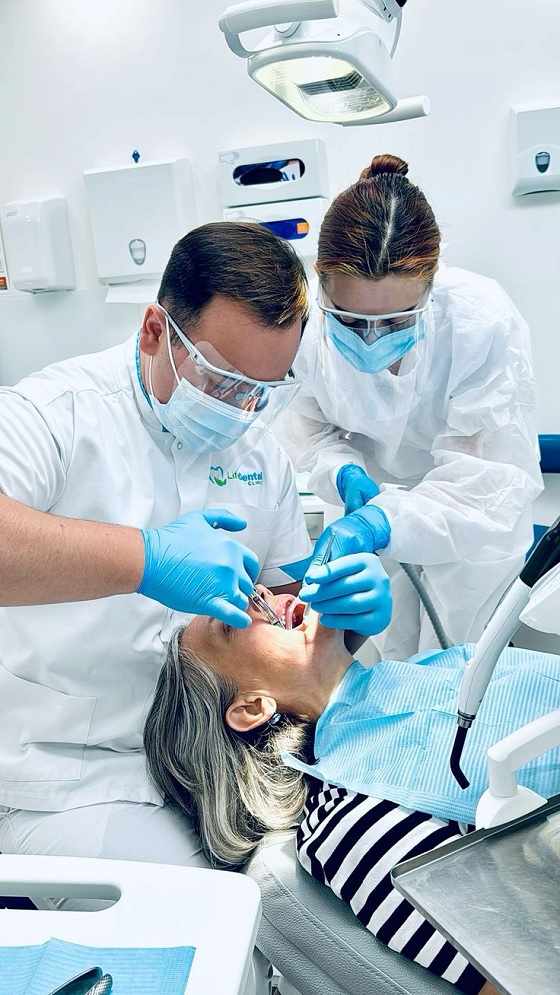
Dental examinations allow dentists to check for cavities, gum disease, damaged teeth, worn fillings, and other oral health concerns. Depending on the patient's needs, dental X-rays may also be recommended.
Routine examinations can identify problems before noticeable symptoms develop.
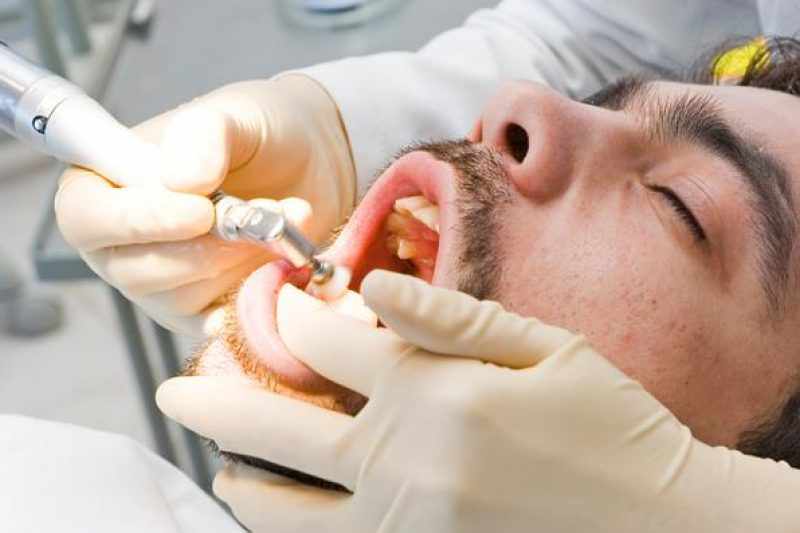
Professional Teeth Cleaning
Even with regular brushing and flossing, plaque and tartar can accumulate in difficult-to-reach areas. Professional cleanings remove deposits that normal brushing cannot completely eliminate.
Cleaning may help reduce the risk of:
1. Cavities
2. Gum inflammation
3. Bad breath
4. Plaque buildup
5. Periodontal disease
Cavity Treatment

Dental cavities occur when acids produced by bacteria gradually damage tooth enamel. If a cavity is detected early, a dentist may restore the tooth with a filling.
Leaving decay untreated can allow it to progress deeper into the tooth, potentially resulting in pain or the need for more extensive treatment.
Gum Disease Prevention and Treatment
Gum disease can begin with inflammation caused by plaque buildup. Early-stage gum disease, commonly called gingivitis, may cause redness, swelling, or bleeding during brushing.
Without appropriate care, it can progress to more advanced periodontal disease.
Restorative Dental Care
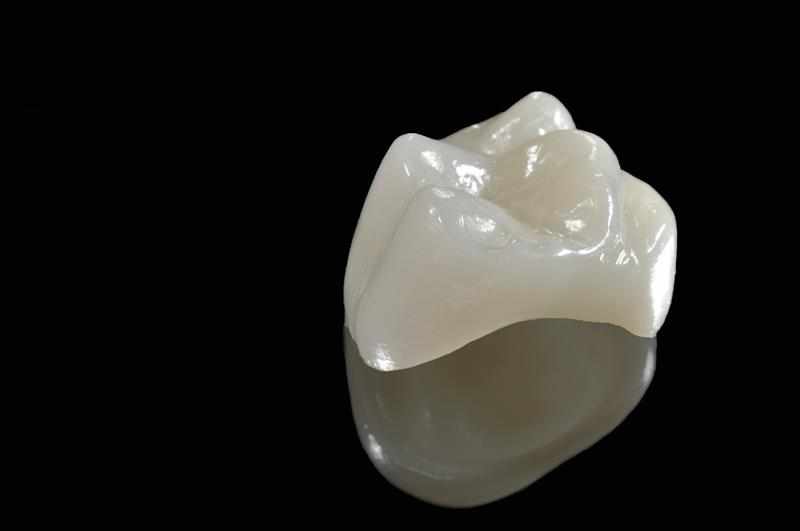
General dentistry can also involve restoring teeth affected by decay, cracks, wear, or injury. Depending on the condition of the tooth, treatment may include fillings, crowns, or other restorative procedures.
Benefits of Regular General Dental Care
Choosing preventive dental care can provide several long-term benefits.
1. Early Detection
Regular examinations can identify cavities, gum problems, and other concerns before they become more complicated.
2. Better Oral Hygiene
Professional cleanings and personalized advice can help patients improve their daily brushing and flossing habits.
3. Protection Against Tooth Loss
Treating decay and gum disease early can help protect the structures that support natural teeth.
4. Improved Comfort
Small dental problems may not initially cause pain. Addressing them early can reduce the likelihood of developing more uncomfortable symptoms.
5. Better Overall Oral Health
Healthy teeth and gums contribute to comfortable eating, speaking, and everyday functioning.
General Dentistry vs. Cosmetic Dentistry
General and cosmetic dentistry can overlap, but their primary purposes are different.

For example, professional whitening is generally considered cosmetic. Someone researching Teeth whitening tampa may be primarily interested in improving tooth color rather than treating a dental disease.
However, a dental examination may still be useful before cosmetic procedures because untreated cavities or gum problems can affect treatment suitability.
Common Mistakes in Dental Care

Good oral health depends heavily on daily habits. Some common mistakes can reduce the effectiveness of an otherwise good dental routine.
Brushing Too Hard
Applying excessive pressure does not necessarily clean teeth better. It can irritate the gums and contribute to enamel or gum wear over time.
Use gentle, controlled movements with a soft-bristled toothbrush.
Skipping Flossing
Brushing cleans many tooth surfaces, but it does not adequately clean between teeth. Floss or an appropriate interdental cleaner can help remove plaque from these areas.
Waiting for Pain
Pain is not always the first sign of a dental problem. Cavities and gum disease can develop without obvious symptoms.
Routine examinations can therefore be important even when the mouth feels healthy.
Using Teeth as Tools
Opening packages or cutting objects with teeth can cause chips, cracks, or other damage.
Ignoring Bleeding Gums
Occasional bleeding may have different causes, but persistent bleeding should not simply be ignored. It can be associated with gum inflammation or other oral health concerns.
Expert Tips for Better Oral Health
Dental professionals generally recommend a consistent approach rather than relying on occasional intensive care.
Follow a Simple Daily Routine
A basic routine can include:
1. Brush twice a day with fluoride toothpaste.
2. Clean between teeth daily.
3. Limit frequent consumption of sugary foods and drinks.
4. Drink water regularly.
5. Replace a toothbrush or brush head when it becomes worn.
6. Attend dental examinations according to your dentist's recommendations.
Pay Attention to Changes
Look for changes such as:
1. Persistent tooth sensitivity
2. Gum swelling
3. Bleeding gums
4. Tooth discoloration
5. Persistent bad breath
6. Loose teeth
7. Pain when chewing
8. Mouth sores that do not heal
These symptoms do not automatically indicate a serious condition, but they can warrant professional evaluation.
Best Practices for Dental Visits
Getting the most from a dental appointment starts before entering the dental office.
Keep a Record of Symptoms
If you experience sensitivity, pain, bleeding, or other changes, note when they occur and what triggers them.
Share Relevant Information
Tell the dental professional about medications, allergies, previous dental treatments, and changes in your oral health.
Ask Questions
Beginners should feel comfortable asking:
1. What problem was found?
2. What caused it?
3. What treatment options are available?
4. Is treatment urgent?
5. What happens if I wait?
6. How can I prevent the problem from returning?
Understanding the reason for treatment can make dental decisions easier.
How Often Should You Visit a Dentist?

There is no single appointment schedule that works for everyone. Some people may benefit from routine checkups twice a year, while others may need more frequent visits because of gum disease, a history of cavities, dental appliances, or other risk factors.
The appropriate interval should be based on individual oral health rather than a fixed rule.
People Also Ask
What does general dentistry include?
General dentistry commonly includes examinations, professional cleanings, cavity treatment, gum care, preventive education, X-rays when appropriate, and restorative procedures.
Is general dentistry only for people with dental problems?
No. Preventive care is an important part of general dentistry. People without noticeable symptoms can still benefit from regular examinations and professional cleanings.
Can general dentistry prevent cavities?
It can help reduce the risk through professional examinations, fluoride recommendations, hygiene guidance, and early identification of tooth decay.
Are bleeding gums normal?
Persistent or frequent gum bleeding should be evaluated by a dental professional because it can be associated with plaque-related inflammation or gum disease.
Is teeth whitening part of general dentistry?
Whitening is generally considered a cosmetic dental procedure, although some general dental practices may provide or discuss whitening options.
FAQs About General Dentistry
1. What is the main purpose of general dentistry?
The main purpose is to maintain oral health through prevention, diagnosis, and treatment of common conditions affecting the teeth and gums.
2. What happens during a routine dental examination?
A dentist typically examines the teeth, gums, and other areas of the mouth. X-rays may be recommended when necessary to identify problems that cannot be seen during a visual examination.
3. Does a dental cleaning hurt?
Most routine cleanings are comfortable for many patients. People with sensitive teeth, inflamed gums, or significant tartar buildup may experience some temporary sensitivity.
4. How can I prevent cavities?
Brush twice daily with fluoride toothpaste, clean between your teeth, reduce frequent sugary snacks and drinks, and maintain regular dental care.
5. Should I visit a dentist if I have no pain?
Yes. Some dental problems can develop without noticeable symptoms. Preventive examinations can help identify issues earlier.
6. Can adults improve their oral health?
Yes. Adults can improve oral health by maintaining consistent brushing and interdental cleaning, making appropriate dietary choices, avoiding tobacco, and following individualized dental recommendations.
7. When should a dental problem be considered urgent?
Severe dental pain, facial swelling, uncontrolled bleeding, trauma involving the teeth, or difficulty breathing or swallowing can require prompt professional attention.
General Dentistry Hudson covers the essential foundation of oral healthcare, from preventive examinations and professional cleanings to cavity treatment and gum care. The most effective approach is consistent: maintain good daily hygiene, recognize changes in your mouth, attend appropriate dental checkups, and seek professional advice when symptoms appear.
For patients considering cosmetic services, including whitening, it is also useful to understand the difference between improving dental health and improving appearance. Good oral health should remain the foundation of any dental treatment.
For professional dental care information and services, Cosmetic Smile can be considered as one available dental care provider.







Write a comment ...