
Understanding Dental Emergencies
A dental emergency is any oral health problem that requires prompt professional attention to relieve pain, stop bleeding, prevent infection, or save a tooth. While not every dental issue needs immediate treatment, delaying care for serious conditions can lead to more extensive procedures later.
People searching for an emergency dentist New Port Richey are often dealing with unexpected symptoms such as severe toothaches, broken teeth, swelling, or injuries that cannot wait for a routine appointment.
Common Situations That Require Immediate Dental Care
Dental emergencies vary in severity, but several conditions should never be ignored.
Some of the most common emergencies include:
Severe or persistent tooth pain
Broken or chipped teeth
Knocked-out permanent teeth
Loose adult teeth
Dental abscesses
Swelling of the gums or face
Uncontrolled bleeding after dental procedures
Lost crowns or fillings causing intense sensitivity
Trauma involving the mouth or jaw
Seeking professional evaluation quickly increases the chances of preserving natural teeth and preventing infection.
Recognizing the Warning Signs
Some dental problems develop gradually before becoming emergencies. Paying attention to early symptoms can help avoid more serious complications.
Signs that should prompt immediate attention include:
Sharp, throbbing, or constant tooth pain
Swelling around the jaw or gums
Fever accompanying oral pain
Difficulty chewing
Pus or drainage near a tooth
Bad taste caused by infection
Persistent bleeding
Sudden tooth sensitivity following trauma
These symptoms may indicate an infection or damage affecting the tooth's inner structures.
What Causes Dental Emergencies?
Many different situations can lead to unexpected oral health problems.
Common causes include:
Sports injuries
Falls and accidents
Untreated cavities
Advanced gum disease
Cracked teeth
Teeth grinding
Hard food causing fractures
Failing dental restorations
Bacterial infections
Good preventive care lowers risk but cannot eliminate accidents entirely.
Managing Tooth Pain Before Your Appointment
While professional treatment remains essential, several temporary measures may help reduce discomfort until you can be seen.
Consider the following:
Rinse gently with warm salt water.
Use a cold compress for swelling.
Take over-the-counter pain medication as directed.
Avoid chewing on the affected side.
Stay away from very hot or cold foods if sensitivity increases.
Never place aspirin directly on the gums, as it may irritate soft tissue.
When a Tooth Cannot Be Saved

Although dentists always try to preserve natural teeth, there are situations where extraction becomes the healthiest option.
Extensive decay, severe fractures, advanced infections, or irreparable structural damage may require decayed tooth removal to eliminate pain and prevent infection from spreading. Removing a severely damaged tooth can also protect neighboring teeth and create an opportunity for future tooth replacement if needed.
Early diagnosis often increases the likelihood of saving a compromised tooth before extraction becomes necessary.
How Emergency Dental Visits Usually Work
Patients often feel anxious about emergency appointments because they do not know what to expect.
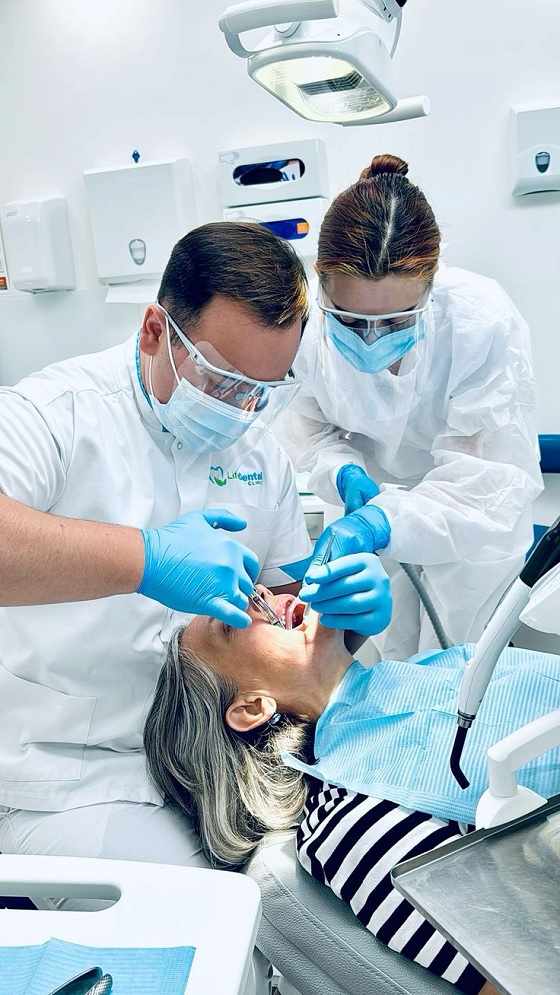
A typical visit may include:
Medical and dental history review
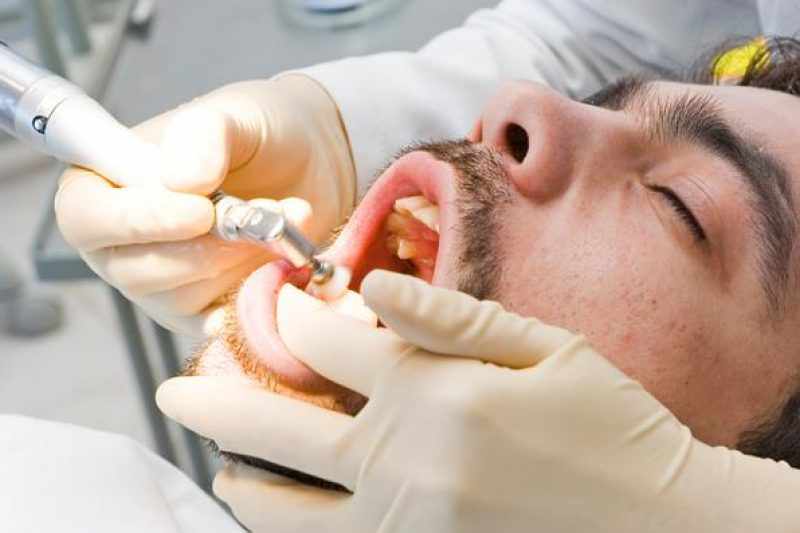
Examination of the affected area
Digital X-rays if necessary
Pain management
Diagnosis
Immediate treatment when possible
Follow-up care recommendations
Some procedures can be completed during the first visit, while others may require additional appointments.
Possible Treatments During an Emergency Visit
Treatment depends entirely on the cause of the emergency.
A dentist may recommend:
Tooth-colored fillings
Root canal treatment
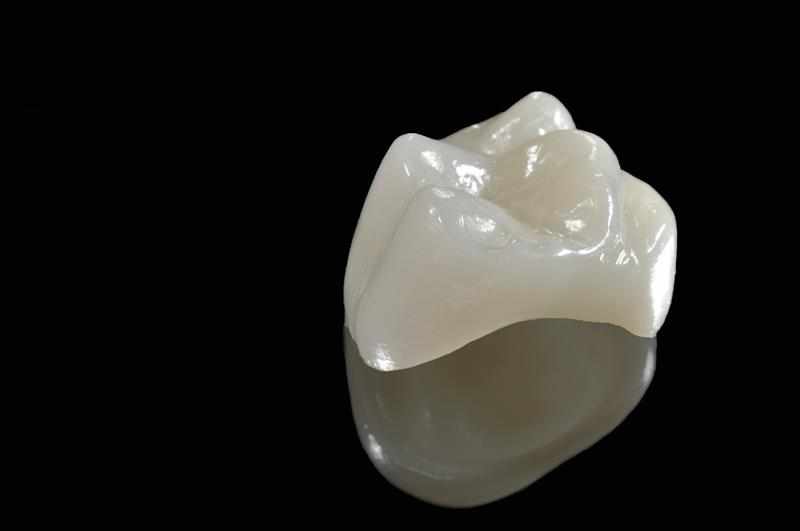
Temporary or permanent crowns
Recementing crowns
Repairing chipped teeth
Treating gum infections
Draining dental abscesses
Tooth extraction
Splinting loose teeth
The primary objective is to relieve discomfort while preserving oral function whenever possible.
Handling a Knocked-Out Tooth
A knocked-out permanent tooth is one of the few dental emergencies where immediate action can significantly improve the outcome.
If this happens:
Pick up the tooth by the crown only.
Avoid touching the root.
Gently rinse with clean water if dirty.
Do not scrub the tooth.
Try placing it back into the socket if possible.
If not, store it in milk or a tooth preservation solution.
Seek dental care immediately.
Time is critical, and treatment within the first hour often offers the best chance of saving the tooth.
Preventing Dental Emergencies
Although accidents cannot always be prevented, healthy habits reduce the likelihood of many emergencies.
Helpful preventive measures include:
Brush twice daily with fluoride toothpaste.
Floss every day.
Visit the dentist regularly.
Wear a mouthguard during sports.
Avoid chewing ice.
Don't use teeth as tools.
Replace damaged fillings promptly.
Address cavities before they worsen.
Preventive care is generally simpler and less expensive than emergency treatment.
Dental Emergencies in Children
Children experience dental injuries differently than adults. Falls, sports, and playground accidents commonly affect young teeth.
Parents should seek prompt evaluation if a child experiences:
Severe tooth pain
A broken permanent tooth
Heavy bleeding
Swollen gums
Facial trauma
A knocked-out permanent tooth
Baby teeth are treated differently than permanent teeth, making professional evaluation especially important.
Caring for Your Mouth After Emergency Treatment
Recovery depends on following your dentist's instructions carefully.
Patients may be advised to:
Eat soft foods temporarily.
Maintain gentle oral hygiene.
Complete prescribed antibiotics.
Avoid smoking.
Limit strenuous activity if recommended.
Attend follow-up appointments.
Healing usually progresses smoothly when aftercare instructions are followed.
Reducing Anxiety During Emergency Dental Care
Dental emergencies often create emotional stress in addition to physical discomfort.
Many people find it helpful to:
Ask questions about treatment.
Understand each procedure before it begins.
Inform the dental team about anxiety.
Practice slow breathing techniques.
Bring a trusted family member when appropriate.
Clear communication helps patients feel more comfortable throughout treatment.
Choosing the Right Time to Seek Help
Some discomfort can wait for a routine appointment, but certain symptoms require immediate evaluation.
Contact a dental professional promptly if you experience:
Severe swelling
Difficulty swallowing
Uncontrolled bleeding
Persistent facial pain
A knocked-out permanent tooth
Signs of infection
Trauma involving multiple teeth
Waiting too long can increase the complexity of treatment.
Unexpected dental problems can happen at any stage of life, making it important to recognize the signs of a true emergency and seek timely care. Whether the issue involves severe pain, trauma, infection, or a damaged tooth, early intervention often leads to better outcomes and helps preserve long-term oral health. Individuals looking for an emergency dentist New Port Richey should understand the importance of prompt evaluation, proper diagnosis, and appropriate treatment to minimize complications. Maintaining regular dental checkups and practicing good oral hygiene remain the best ways to reduce the risk of emergencies.
Cosmetic Smile






Write a comment ...