
Maintaining strong and healthy teeth is an important part of overall well-being. Teeth experience daily wear from chewing, grinding, and exposure to different foods and beverages. Over time, damage such as fractures, decay, or weakened tooth structures may develop, making restorative dental care necessary. One commonly recommended solution for damaged or weakened teeth is Crown Dental Treatment, which helps restore strength, function, and appearance while protecting the remaining natural tooth structure.
Dental crowns are custom-made caps designed to cover a damaged or weakened tooth completely. They are shaped to resemble natural teeth and are placed over the existing tooth to improve durability and appearance. Crowns are commonly used when a tooth is too damaged for a simple filling but does not require extraction.
One of the primary reasons for crown placement is severe tooth decay. When a cavity becomes too large, a standard filling may not provide enough support for the remaining tooth structure. In such cases, a crown helps protect the tooth from further damage while restoring its function.
Cracked or fractured teeth are another common reason for dental crowns. Teeth can crack due to trauma, accidents, or excessive biting pressure. A crown helps hold the damaged tooth together and prevents the crack from worsening during normal chewing activities.
Crowns are also frequently used after root canal procedures. During root canal treatment, infected tissue inside the tooth is removed to save the tooth from extraction. However, the treated tooth may become weaker after the procedure. Placing a crown over the tooth provides reinforcement and reduces the risk of future fractures.
In addition to restoring function, crowns also improve aesthetics. Teeth that are discolored, misshapen, or worn down can be covered with crowns to create a more uniform appearance. Modern crowns are designed to closely match the color and shape of surrounding natural teeth, making them blend naturally within the smile.
Several materials are used to create dental crowns. Ceramic and porcelain crowns are popular because they resemble natural tooth enamel and provide excellent aesthetics. Metal crowns, including gold alloys, are known for durability and strength, although they are more noticeable. Porcelain-fused-to-metal crowns combine strength with a more natural appearance.
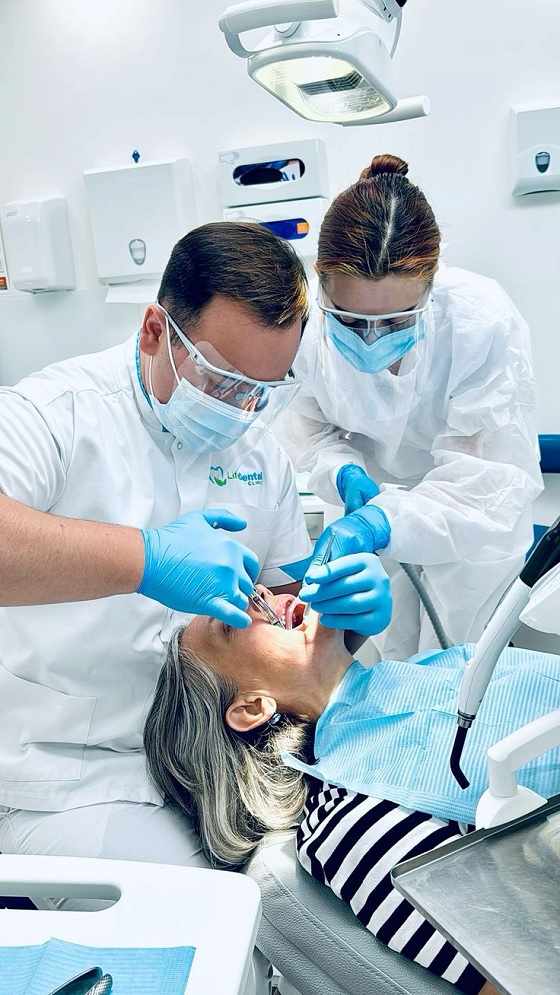
The process of receiving a dental crown typically involves multiple steps. During the initial visit, the dentist examines the affected tooth and may take X-rays to evaluate its condition. The tooth is then reshaped to create space for the crown. Impressions or digital scans are taken to ensure the crown fits accurately.
Temporary crowns are often placed while the permanent crown is being fabricated in a dental laboratory. Once the final crown is ready, the dentist checks its fit, color, and alignment before permanently bonding it to the tooth.
Advancements in dental technology have improved the precision and efficiency of crown procedures. Digital scanning systems allow dentists to create highly accurate impressions without the need for traditional molding materials. Some clinics also use computer-aided design and manufacturing systems to produce crowns more quickly.
Proper oral hygiene is essential for maintaining dental crowns. Although crowns themselves cannot develop cavities, the natural tooth beneath them can still be affected by decay if plaque accumulates around the edges. Regular brushing, flossing, and dental checkups help extend the lifespan of crowns and protect surrounding teeth.
Dietary habits can also influence the longevity of crowns. Avoiding extremely hard foods, chewing ice, or using teeth to open objects helps reduce the risk of damage. While crowns are durable, excessive force may still cause wear or fractures over time.
Grinding or clenching teeth can place additional pressure on crowns. Individuals who grind their teeth, especially during sleep, may benefit from wearing protective night guards to prevent unnecessary stress on dental restorations.
Crowns can also be used in combination with other dental treatments. For example, dental bridges often rely on crowns attached to neighboring teeth for support. Dental implants may also use crowns to replace missing teeth and restore normal chewing function.
Children and adolescents may occasionally require crowns as well, especially when primary teeth are severely damaged or affected by decay. In pediatric dentistry, stainless steel crowns are sometimes used to protect and preserve young teeth until they naturally fall out.
Another important advantage of crown dental treatment is the preservation of natural teeth. Instead of removing damaged teeth entirely, crowns allow dentists to restore and strengthen existing tooth structures whenever possible. Preserving natural teeth helps maintain proper bite alignment and overall oral health.
Dental crowns are designed to withstand daily use, but they are not permanent. Over time, crowns may require replacement due to wear, damage, or changes in surrounding teeth and gums. Routine dental examinations help monitor the condition of crowns and identify any issues early.
Comfort and fit are important factors in successful crown placement. A properly fitted crown should feel natural and allow normal biting and chewing without discomfort. Minor adjustments may sometimes be needed to ensure correct alignment.
The appearance of dental crowns has improved significantly over the years. Modern ceramic materials reflect light similarly to natural enamel, making crowns less noticeable. This is particularly important for front teeth where aesthetics play a major role.
Patients often appreciate the confidence that restored teeth provide. Damaged or missing teeth can affect speech, chewing ability, and self-esteem. Crowns help improve both functionality and appearance, contributing to a more comfortable daily experience.
Regular dental visits remain essential even after receiving crowns. Dentists can examine the integrity of the crown, assess gum health, and identify any signs of wear or decay. Preventive care helps ensure long-term success.
The field of restorative dentistry continues to evolve with ongoing advancements in materials and techniques. Stronger ceramics, improved adhesives, and digital manufacturing technologies have enhanced both the durability and aesthetics of modern crowns.
Oral health is closely connected to overall health and quality of life. Restoring damaged teeth supports proper nutrition, speech, and daily comfort. Crowns provide a practical and reliable solution for preserving dental function while enhancing appearance.
Ultimately, dental crowns remain one of the most effective restorative treatments available in modern dentistry. Through careful planning, accurate fabrication, and proper maintenance, crowns can provide long-lasting protection and help individuals maintain healthy, functional smiles.
Cosmetic Smile





Write a comment ...